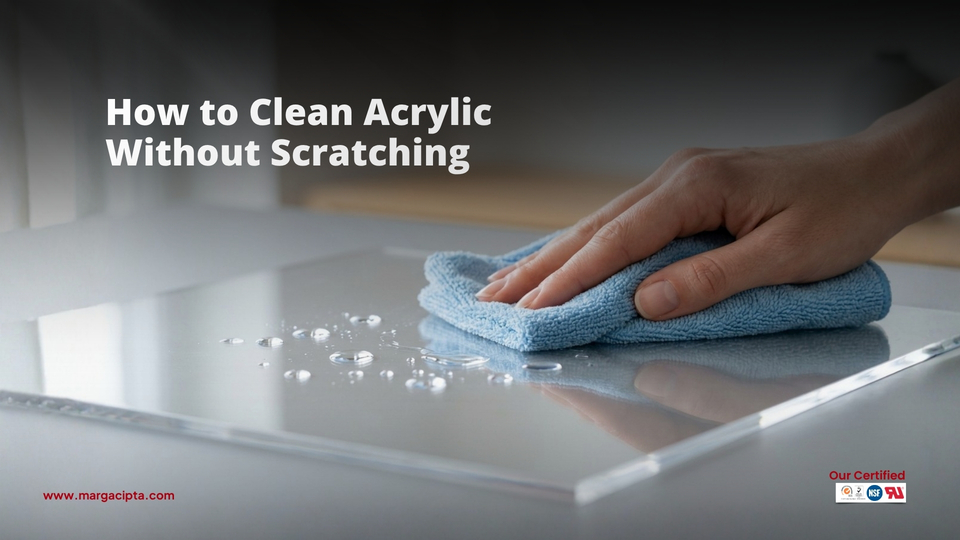
How to Clean Acrylic Without Scratching

Acrylic is a popular material used in signage, displays, furniture, and protective panels due to its clarity and lightweight properties. However, cleaning acrylic requires special care. If done incorrectly, it can easily get scratched, reducing its visual quality.

In this guide, we will show you how to clean acrylic without scratching so you can maintain its clarity and extend its lifespan.

1. Remove Dust Before Cleaning

Before applying any liquid cleaner, always remove dust and loose particles from the surface. Dust can act like abrasive material and cause scratches when wiped.

Use a soft microfiber cloth or a gentle air blower to remove debris. Avoid using rough fabrics or paper towels, as they can damage the surface.

Read also: Benefits of Using Clear Cast Acrylic Sheet

2. Use the Right Cleaning Solution

Choosing the correct cleaning solution is crucial. Avoid using glass cleaners that contain ammonia or alcohol, as these chemicals can damage acrylic and cause it to become cloudy.

Instead, use a mild soap mixed with water or a specialized acrylic cleaner. This ensures that the surface remains clear and undamaged.

3. Clean with a Soft Cloth

Always use a clean, soft microfiber cloth when wiping acrylic. Gently wipe the surface without applying too much pressure.

Use a dabbing or light wiping motion rather than scrubbing. Scrubbing can create fine scratches that are difficult to remove.

4. Avoid Circular Motions

While it may feel natural to wipe in circles, this method can create visible swirl marks on acrylic surfaces.

Instead, clean in straight lines, preferably in one direction. This helps maintain a smooth and uniform finish.

5. Dry Properly

After cleaning, dry the acrylic with a separate dry microfiber cloth. This prevents water spots and streaks from forming.

Make sure the cloth is clean and free from dirt to avoid reintroducing particles onto the surface.

6. Handle with Care

Prevention is just as important as cleaning. Avoid placing sharp or rough objects directly on acrylic surfaces.

If the acrylic is used in high-contact areas, consider adding a protective coating or cover to reduce the risk of scratches.

Read also: Does Acrylic Shatter? Find Out Its Strength and Durability

7. What to Avoid

To keep acrylic in the best condition, avoid the following:

  • Paper towels or rough cloths
  • Ammonia-based cleaners
  • Alcohol or solvent-based products
  • Excessive pressure while cleaning

Conclusion

Knowing how to clean acrylic without scratching is essential to maintaining its clarity and appearance. By using the right tools and techniques, you can keep your acrylic surfaces looking new for a long time.

Simple habits such as using microfiber cloths, avoiding harsh chemicals, and cleaning gently can make a significant difference in preserving the quality of acrylic.

Ready to explore your clear cast acrylic options? At Margacipta Wirasentosa, we offer high-quality clear cast acrylic sheets from 100% virgin MMA in various thicknesses and custom sizes to fit your needs.

Reach to our Instagram or download our Product Catalog for more information.

News Release

Why Cast Acrylic Is Better Than Glass: Benefits You Should Know

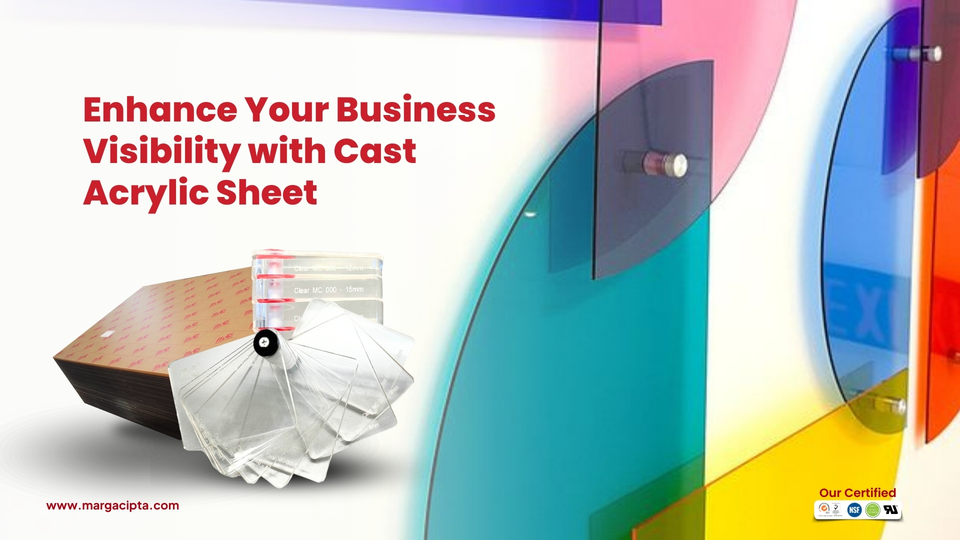
When it comes to choosing materials for design, construction, or manufacturing projects, cast acrylic sheet stands out as one of the most reliable and versatile choices. 

MC® Cast Acrylic Sheet offers distinct advantages that make it a superior option compared to many alternatives on the market. 

From durability to performance, here are the key reasons why MC® Cast Acrylic Sheet is better than others.

1. Superior Clarity and Transparency

One of the biggest reasons designers and fabricators choose cast acrylic sheet is its glass-like transparency. MC® Cast Acrylic Sheet delivers exceptional optical clarity. 

Unlike cheaper alternatives that may appear cloudy or distort visuals, MC® Cast Acrylic maintains consistent clarity, making it ideal for displays, signage, windows, and architectural applications.

2. Excellent Strength and Durability

Compared to standard plastic sheets, cast acrylic sheet is known for its impact resistance and durability. 

MC® Cast Acrylic Sheet is stronger than glass while being much lighter in weight. It resists shattering, scratching, and weathering, ensuring long-lasting performance both indoors and outdoors. 

This makes it especially suitable for industries such as construction, medical equipment, and transportation.

Read also: Cast Acrylic vs Extruded, Which One Is Better?

3. Versatility in Fabrication

Fabricators often prefer MC® Cast Acrylic Sheet because it is easier to cut, bend, polish, and thermoform compared to other materials. 

Unlike extruded acrylic, which can have limitations during processing, cast acrylic sheet maintains stability under high heat and delivers smoother, cleaner edges when machined. This flexibility makes it perfect for custom projects and large-scale manufacturing.

4. Wide Range of Applications

MC® Cast Acrylic Sheet is not just strong and clear, it is also highly versatile in application. Commonly used for:

  • Point-of-sale displays and retail fixtures
  • Protective barriers and sneeze guards
  • Architectural glazing and skylights
  • Lighting diffusers and decorative panels
  • Medical and laboratory equipment

The adaptability of cast acrylic sheet ensures that businesses across multiple industries can benefit from its unique properties.

Read also: Do’s and Don’ts: Cleaning Acrylic Sheet the Right Way

5. Resistance to Weather and Chemicals

Unlike some plastics that yellow, warp, or become brittle over time, MC® Cast Acrylic Sheet offers excellent resistance to UV rays, weather conditions, and many chemicals. 

This makes it ideal for both indoor and outdoor use, ensuring long-term value and performance in demanding environments.

Choosing the right material can make or break a project. While there are many options available, MC® Cast Acrylic Sheet consistently proves to be a better choice than other alternatives. 

Its superior clarity, strength, durability, and versatility give it a competitive edge, making it the go-to material for industries that demand both performance and aesthetics.

If you are searching for a reliable cast acrylic sheet supplier, consider MC® Cast Acrylic Sheet for unmatched quality and long-lasting results.

PT Margacipta Wirasentosa produces high-quality acrylic using 100% virgin MMA, delivering consistent clarity, strength, and NSF-certified options (clear and white opal). 

Contact us to info@margacipta.com to get the right acrylic solution for your business.

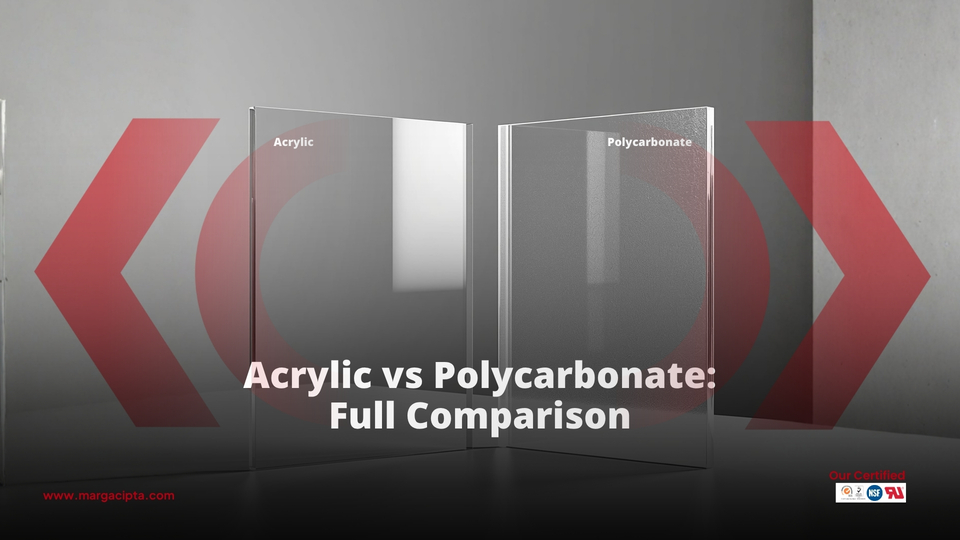
Acrylic vs Polycarbonate: Which One Should You Use?

When choosing a plastic sheet for your project, two materials often come to mind: acrylic and polycarbonate. While both are widely used for signage, protective panels, and displays, the decision between them depends on what matters most: strength, clarity, or cost.

In this article, we compare acrylic and polycarbonate across key aspects and explain why acrylic may be the better solution for most everyday applications.

Strength: Durable, But Do You Need Extreme Impact Resistance?

Polycarbonate is often praised for its extreme impact resistance—up to 250 times stronger than glass. It’s frequently used in bulletproof windows, riot shields, and industrial machinery guards. If you're designing for high-risk environments with potential heavy impact, polycarbonate might make sense.

But here’s the reality: most applications don't need that level of impact resistance.

Acrylic, though not as tough as polycarbonate, is still up to 10 times stronger than glass. For general uses like signage, display cases, skylights, or protective barriers, acrylic offers more than enough durability without the extra cost.

Read also: Benefits of Using Clear Cast Acrylic Sheet

Clarity: Acrylic Offers Superior Visual Appeal

When it comes to optical clarity, acrylic takes the lead. Acrylic sheets provide up to 92% light transmission, giving them a crystal-clear, glass-like appearance. They’re less likely to yellow over time and are known for maintaining their clarity in outdoor and indoor environments.

Polycarbonate, on the other hand, may appear slightly duller and can develop a yellowish tint after prolonged exposure to UV light—unless treated with an extra coating.

If visual presentation matters, especially in retail, architectural, or decorative use, acrylic is the smarter choice.

Cost: Acrylic is More Budget-Friendly

From a pricing perspective, acrylic is generally more affordable than polycarbonate.

For businesses or projects that need large-scale installations—like signage, partitions, or decorative panels—acrylic provides an ideal balance of performance and price.

Polycarbonate’s high cost only makes sense when extreme toughness is necessary. For most users, choosing acrylic means getting a high-quality material without overspending.

Ease of Fabrication and Maintenance

Another advantage of acrylic is how easy it is to cut, drill, polish, and thermoform. You’ll get cleaner cuts and smoother edges, making it perfect for projects that require precision or aesthetic finishes.

Polycarbonate is tougher to work with and prone to scratches without special care. Acrylic is also easier to clean and maintain, requiring only mild soap and water.

Read also: Why Cast Acrylic Is Better Than Glass: Benefits You Should Know

When Should You Choose Acrylic?

Unless you’re building for high-impact or industrial-grade applications, acrylic is the practical, beautiful, and cost-effective option. It's the go-to choice for:

  • Retail displays and signage

  • Home and office decor

  • Windows and skylights

  • Sneeze guards and partitions

  • Lighting covers and illuminated signs

Both acrylic and polycarbonate have their place in the market. But if your project prioritizes clarity, affordability, and ease of use, then acrylic is clearly the winner.

It offers excellent strength, beautiful transparency, and lasting value—perfect for a wide range of uses without breaking the budget.

Margacipta Wirasentosa provide high-quality cast acrylic sheets that are reliable, customizable, and ready to elevate your next project.

Acrylic Sheet for Menu Holders: Durable Display Solutions

Acrylic sheet is one of the best materials for menu holders because it offers excellent clarity, durability, and a professional appearance. 

Whether used in restaurants, cafés, hotels, retail stores, or exhibition booths, acrylic menu holders help present information clearly while protecting printed materials from daily wear.

With its lightweight structure and versatile fabrication options, acrylic has become the preferred choice for businesses looking to create modern and long-lasting display solutions.

Why Acrylic Is Ideal for Menu Holders

Menu holders are handled frequently and are often exposed to spills, cleaning, and constant customer interaction. 

Acrylic performs well in these environments thanks to its combination of strength and aesthetics.

Some of its key advantages include:

  • Crystal-clear transparency
  • Lightweight yet durable construction
  • Good impact resistance
  • Easy to clean and maintain
  • Professional appearance

Compared to glass, acrylic provides similar visual clarity while being easier to transport and less likely to break.

Read also: What Acrylic to Use for Cake Topper: A Complete Material Guide

Common Applications

Acrylic menu holders are used across various industries. Typical applications include:

Restaurants and Cafés

Display food menus, beverage lists, promotional offers, or QR code ordering systems.

1. Hotels

Present room service menus, event schedules, and guest information in an elegant format.

2. Retail Stores

Display product information, pricing, promotional materials, or customer notices.

3. Reception Areas

Provide visitors with brochures, announcements, or directional information in a neat and organized manner.

4. Exhibition and Trade Shows

Showcase promotional materials while maintaining a clean and professional presentation.

Benefits of Using Acrylic Sheet

1. Excellent Visibility

Clear acrylic provides high transparency, allowing menus and promotional materials to remain easy to read.

2. Easy Fabrication

Acrylic sheets can be:

  • Laser cut
  • CNC machined
  • Bent through thermoforming
  • UV printed
  • Engraved

This flexibility enables manufacturers to produce menu holders in various styles and sizes.

3. Long Service Life

High-quality acrylic maintains its clarity and appearance even with regular use, making it a cost-effective material for commercial environments.

Popular Types of Menu Holders

Depending on the application, acrylic sheets can be fabricated into different styles, including:

  • Tabletop menu holders
  • L-shaped display stands
  • T-shaped sign holders
  • Wall-mounted menu displays
  • Countertop promotional displays

Each design serves different display needs while maintaining a professional appearance.

Choosing the Right Acrylic Sheet

When selecting acrylic sheets for menu holders, consider:

  • Sheet thickness
  • Display size
  • Indoor or outdoor use
  • Required durability
  • Surface finish

Using the appropriate acrylic specification ensures better performance and a longer product lifespan.

Read also: Best Acrylic Sheet for Cake Topper: Thickness, Finish & Tips

Why High-Quality Acrylic Matters

Not all acrylic sheets offer the same level of clarity and consistency.

Premium acrylic provides:

  • Better transparency
  • Consistent thickness
  • Cleaner fabrication results
  • Improved durability
  • Professional finishing quality

Marga Cipta supplies high-quality acrylic sheets suitable for menu holders, retail displays, signage, and custom fabrication projects.

Conclusion

Acrylic sheet for menu holders offers an ideal combination of durability, clarity, and design flexibility. Its versatility makes it suitable for restaurants, hotels, retail stores, and various commercial environments.

By choosing high-quality acrylic sheets, businesses can create attractive and long-lasting display solutions that enhance customer experience.

Looking for Premium Acrylic Sheets?

Marga Cipta supplies premium acrylic sheets in various thicknesses, colors, and finishes for menu holders, display stands, signage, and custom fabrication.

For inquiries or orders, email info@margacipta.com.

For product information, inspiration, and the latest updates, follow Instagram @margacipta.

Acrylic Sheet Thickness Guide: How to Choose the Right One

When working with acrylic sheets for your project, whether it's for signage, display units, or protective panels, choosing the right acrylic sheet thickness is just as important as selecting the right color or finish. 

Thickness affects not only the durability and appearance of your acrylic but also how it performs under pressure or load.

In this guide, we’ll walk you through different acrylic sheet thickness options and the types of projects they’re best suited for.

Why Acrylic Sheet Thickness Matters

The thickness of an acrylic sheet determines its strength, rigidity, and suitability for specific uses. 

A sheet that is too thin might bend or crack under stress, while one that’s too thick could be unnecessarily heavy and more costly. 

By understanding how each thickness performs, you can make a more informed decision that balances durability, appearance, and budget.

Read also: Choose the Right Cast Acrylic Color for Your Project

1. Thin Acrylic Sheets (1.5mm–3mm): Lightweight and Flexible

These thin sheets are commonly used for light-duty applications such as brochure holders, menu covers, small signage, DIY crafts, and protective face shields. 

They’re easy to cut and shape, making them ideal for creative and decorative projects that don’t require heavy impact resistance.

However, due to their flexibility, they are not recommended for structures that need to support weight or endure constant handling.

2. Medium Thickness (4.5mm–6mm): Versatile and Sturdy

Acrylic sheets in the mid-range thickness offer a perfect balance between flexibility and strength. This makes them suitable for a wide range of uses, including display cases, retail fixtures, and architectural panels. 

They provide good visual clarity and resistance to breakage, while still being lightweight enough for wall-mounted or suspended designs.

These are often used in interior partitions, desk dividers, or lightboxes, especially when durability and a polished appearance are both priorities.

3. Thick Acrylic Sheets (8mm–12mm): Durable and Impact-Resistant

For applications that require greater structural strength, such as aquarium panels, furniture, shelving, or heavy-duty display stands, thicker acrylic sheets in the 8mm to 12mm range are a solid choice. 

These sheets can withstand more weight and pressure, offering high impact resistance and rigidity.

Thicker sheets also provide better sound insulation and can be used in environments where both functionality and safety are essential.

Read also: Benefits of Using Clear Cast Acrylic Sheet

4. Extra Thick Acrylic (15mm and above): Structural and Architectural Uses

At 15mm or thicker, acrylic sheets are often chosen for architectural glazing, outdoor signage, large installations, and furniture with load-bearing needs. 

These sheets are highly rigid and can serve as structural components or even as an alternative to glass in many applications.

They’re often used in museums, commercial buildings, and high-end retail designs where aesthetics and strength go hand in hand.

How to Choose the Right Thickness for Your Project

To select the right acrylic sheet thickness, here are some things to consider:

  • Weight or pressure the sheet needs to support
  • Installation method (e.g., freestanding, wall-mounted, framed)
  • Environmental exposure (e.g., indoor vs. outdoor)
  • Aesthetic requirements (how polished or sleek it should appear)
  • Budget considerations

If you’re working with lighting, remember that thinner sheets may allow better light transmission, while thicker sheets can give a more diffused and solid look.

Understanding acrylic sheet thickness is crucial for ensuring that your design looks great and performs as expected. 

From delicate crafts to structural installations, choosing the right thickness enhances both the function and lifespan of your acrylic piece.

At Margacipta Wirasentosa, we offer a wide range of acrylic sheet thicknesses tailored for every kind of project.

Need help finding the right acrylic sheet thickness? Contact our team or visit our Instagram for recommendations and high-quality cast acrylic sheets that match your vision.